Is Zanzibar safe? Travel tips on money, health and rules
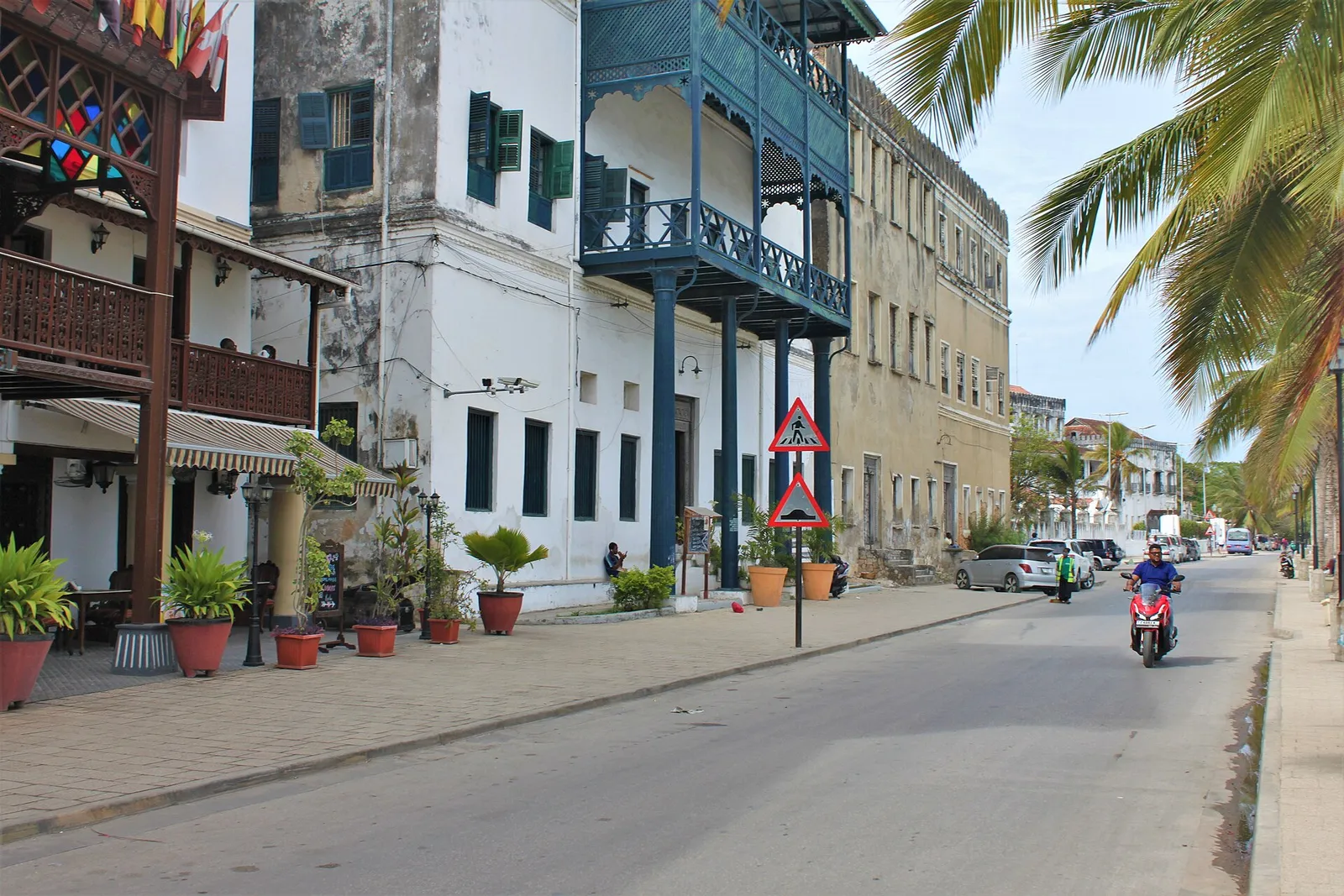
Crime and personal safety
Is Zanzibar safe for tourists?
Crime against tourists does happen on Zanzibar, especially at night, when crime is higher1, so take the precautions below seriously.
Crime is higher at night1
Assault, rape and sexual aggression against foreigners1 have happened in Tanzania, including at beach resorts. Wikivoyage names Stone Town as a tourist area where you need to be careful, and warns that violent crime is not uncommon against people walking alone at night3.
How to cut the risk:
- Avoid walking alone after dark, when violent crime against foreigners3 is most likely.
- Watch out for pickpockets4.
- Keep bags on the side away from the road: thieves sometimes snatch bags from cars or motorbikes1.
- Ignore touts. They’ll tell you anything to get you to use a service that pays them commission4.
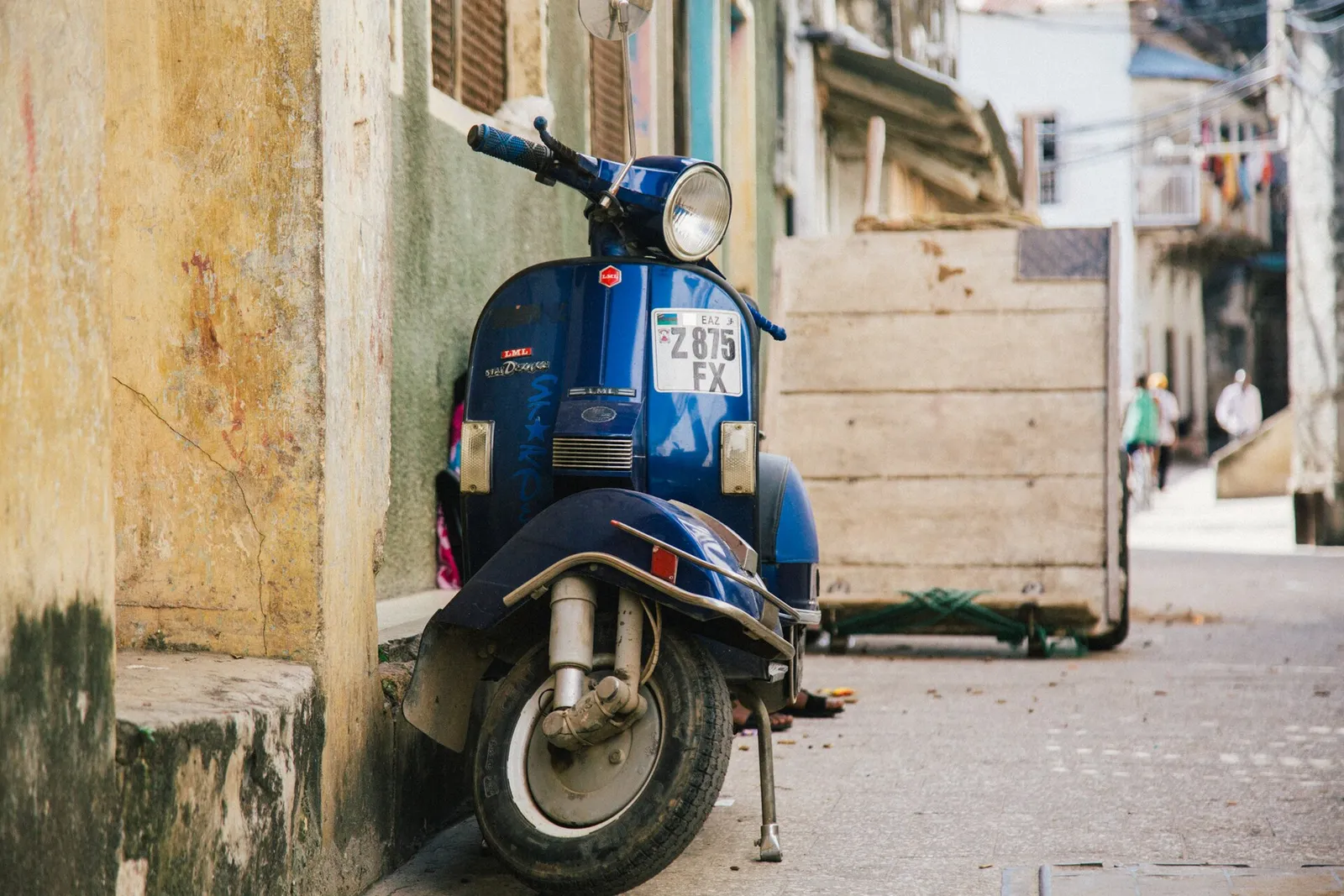
Politics can flare up too. Tanzania held a general election on 29 October 2025, and previous elections in Zanzibar have turned violent and caused deaths1.
Before you fly
Is travel insurance mandatory for Zanzibar?
Yes. All foreign visitors must buy inbound travel insurance from the Zanzibar Insurance Corporation, a rule in force since 1 October 20242 (checked October 2026).
Compulsory since 1 October 20242
That answers the “special insurance” question too: the policy you need is this one, from that one insurer, whatever other cover you carry from home.
Cash, cards and ATMs
What currency should you use in Zanzibar?
Use Tanzanian shillings. Zanzibar’s currency is the Tanzanian shilling (Tsh), and generally only shillings are accepted4, even where prices are quoted in euros or US dollars.
Card surcharge: sometimes 5%4
Cash matters more than cards, because shops that accept bank cards are rare4. What to expect:
- Cards work at big supermarkets, malls, large hotels, resorts and some travel agents3.
- Bigger restaurants and hotels sometimes add a 5%4 card surcharge.
- There are several ATMs, for example in Stone Town, Jambiani and Nungwi4.
- If you bring dollars to change, US$50 and $100 notes get a better exchange rate than $20 and $10 notes4.
- Older US$100 notes are no longer accepted3, so bring newer ones.
What budget rooms cost
Room prices are a good test of how much cash you’ll need. Wikivoyage’s view is that Zanzibar has not much cheap accommodation4.
| Room | Price |
|---|---|
| Cheapest budget double, Stone Town | from TSh 25,0004 |
| Normal budget hotel, low season | TSh 45,000–90,0004 |
| Cheapest beach accommodation | from TSh 50,0004 |
Mosquitoes, water and doctors
Health: malaria, yellow fever and clinics
Ambulance: call 1127
Yes, Zanzibar is a malaria risk: malaria is spread by mosquitoes and is endemic to Tanzania3. To avoid bites, Wikivoyage suggests you:
Drink bottled or treated water: Wikivoyage advises against drinking tap water unless there is no other option3. On the reef flats, watch your feet, because sea urchins can give a powerful sting if stepped on at low tide4.
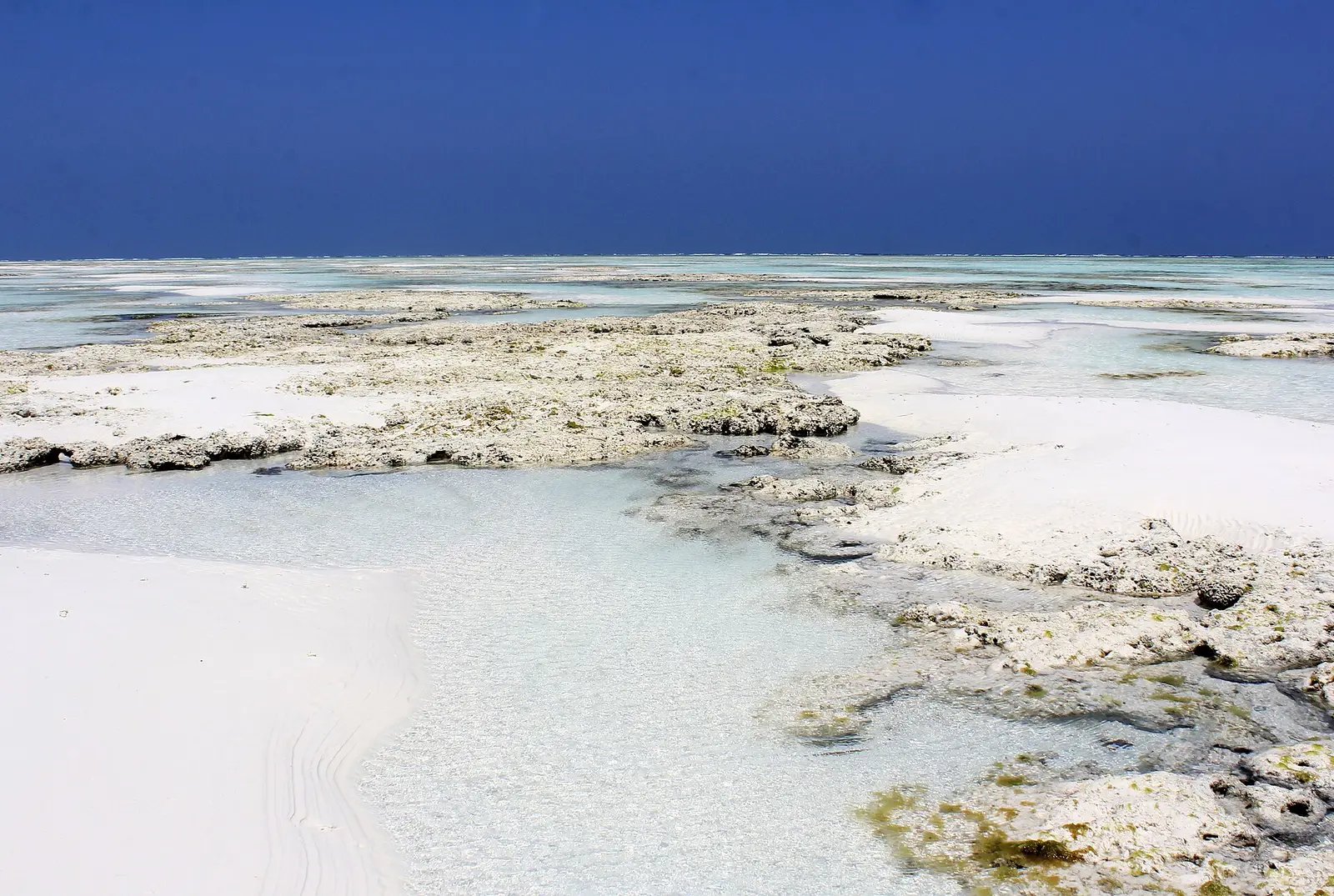
Plan for basic medical care. Medical facilities in Tanzania are limited, especially outside Dar es Salaam7. For an ambulance, call 1127.
Urban Care Clinic has clinics in Fumba Town and Jambiani, and says its emergency department is open 24 hours a day, 7 days a week8. In September 20259, The Citizen reported that the old Mnazi Mmoja Hospital buildings were being demolished to make way for a new referral hospital.
Dates that change daily life
Ramadan and public holidays
Ramadan changes daily life on the island, so check the dates below before you book.
Ramadan: 8 February to 8 March 20274
| Date | What happens |
|---|---|
| 8 February to 8 March 20274 | Ramadan |
| 12 January10 | Zanzibar Revolution Day, a public holiday |
| 7 April10 | Karume Day, declared by the President10 |
What Ramadan means for you:
The long rains
Rainy months and peak season
April is the wettest month, and most beach lodges are closed12, so check your dates before you book.
April is the wettest month12
- Lodges open as normal
- Some lodges close
- Most beach lodges close
- In March12 the long rains start gradually and many beach lodges close.
- In April and May13 quite a few properties close for refurbishment.
- In the low season several Stone Town budget hotels stay closed4 for lack of customers.
The opposite problem comes in peak season: July is busy and expensive, and December13 brings the highest hotel prices. Our page on rainy seasons and closures on the island goes through the year month by month.
Getting around safely
Roads are the everyday risk: the UK government warns that road users often drive dangerously and ignore the rules of the road1.
- Avoid driving outside major towns and cities at night1.
- Expect many police checks4 on the island’s roads.
- To drive yourself, you can get a temporary Zanzibar driving permit from the local authorities4.
- Shared-taxi tickets must be booked online with Zanzibus before you travel4.
- At the airport, taxi fares are negotiable4, so agree the price before you get in.
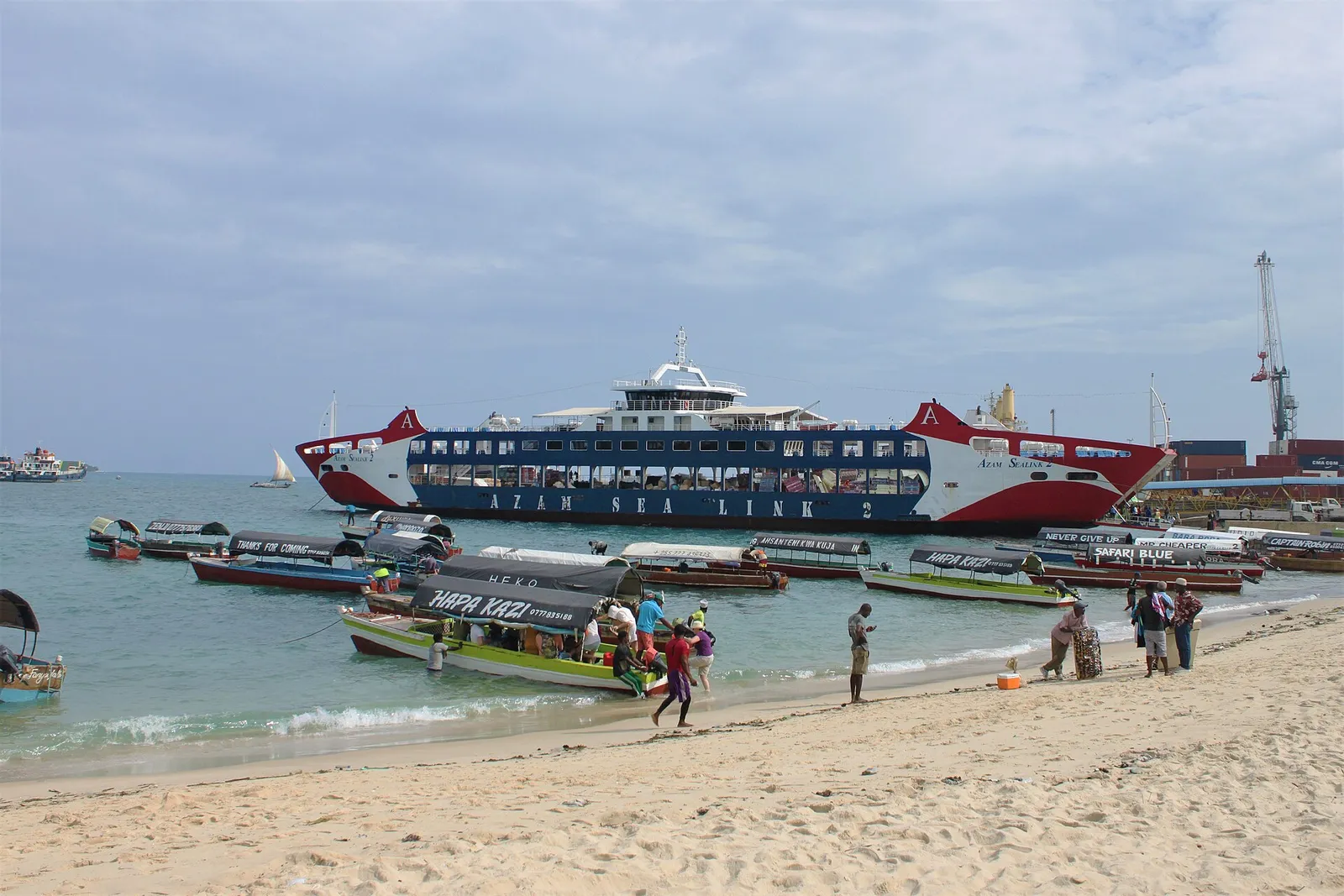
On the water, don’t board a ferry that looks overloaded or unseaworthy1. In bad weather the crossing can take much longer and be very unpleasant4. The Zanzibar getting there guide covers the ferry and flight options.
Laws that catch visitors out
Zanzibar is a semi-autonomous region of Tanzania, made up of two large islands, Unguja and Pemba, and many small ones in the Indian Ocean14. A few Tanzanian rules surprise visitors:
Shopping: markets and what to buy
Stone Town is where to shop, for textiles, handmade jewellery, wood or stone carvings and spices4. Spices grown on the island include cardamom, ginger, cloves and nutmeg4.
- Darajani Market, on Darajani Road in Stone Town, near the Anglican Cathedral of Christ, is mainly a food market, selling seafood, meat, fruit, grains and spices15.
- Forodhani’s evening market is a popular, tourist-oriented market every evening after sunset16.
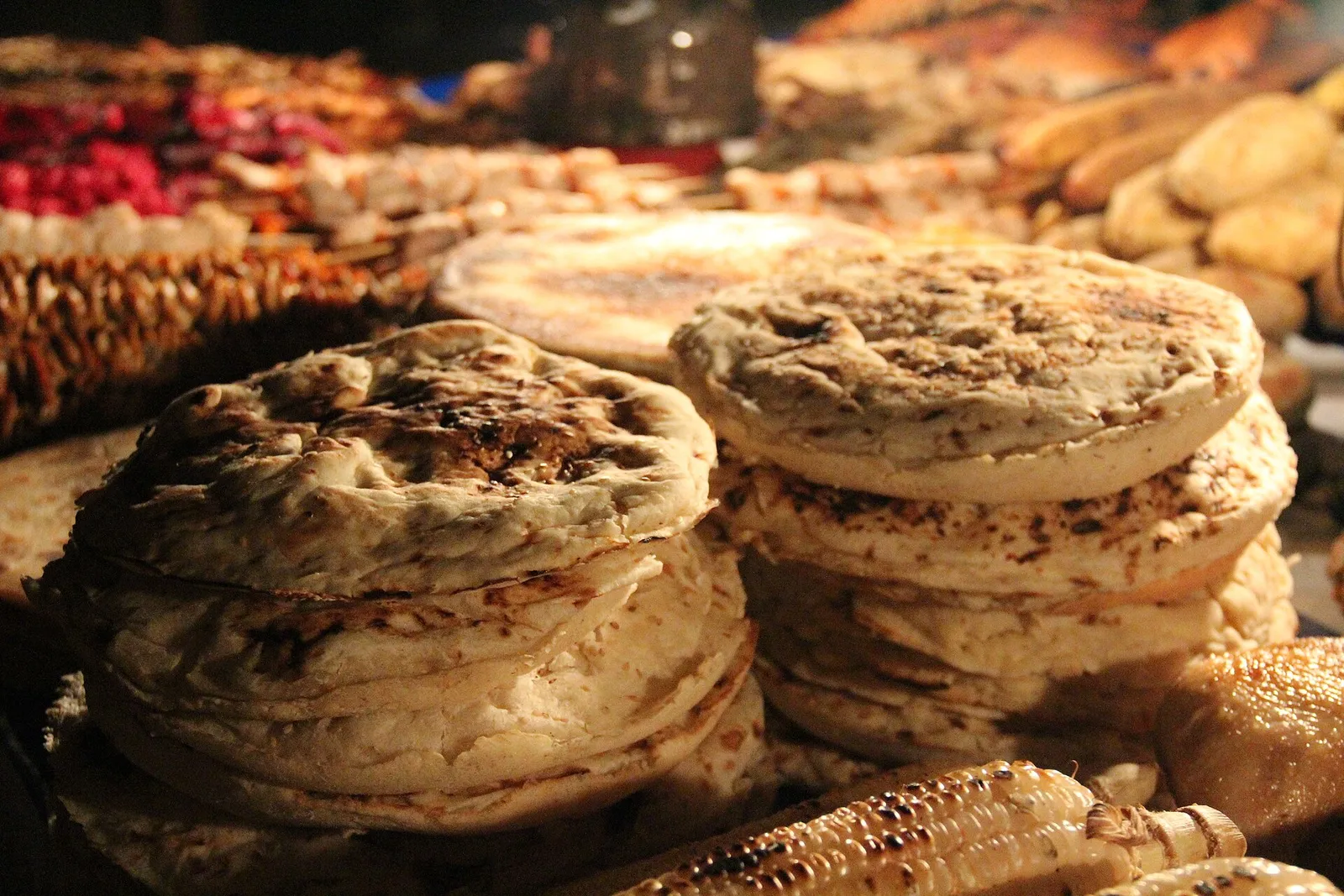
Wikivoyage advises you to always haggle16 with Stone Town vendors. Watch for fake saffron, which looks waxy, like a shredded red crayon4. A morning in the markets fits easily into your Zanzibar trip plan.
Photos: Wikimedia Commons and Pexels. Authors and licences: image credits
Checked against 16 sources · last checked October 2026
- GOV.UK (official) · checked October 2026
- jp.tzembassy.go.tz (official) · checked October 2026
- Wikivoyage · checked October 2026
- Wikivoyage · checked October 2026
- GOV.UK (official) · checked October 2026
- fr.tzembassy.go.tz (official) · checked October 2026
- GOV.UK (official) · checked October 2026
- Urban Care Clinic (operator) · checked October 2026
- The Citizen (news) · checked October 2026
- Wikipedia · checked October 2026
- Daily News (news) · checked October 2026
- Expert Africa (tour company) · checked October 2026
- The Africa Specialists (booking agent) · checked October 2026
- Wikipedia · checked October 2026
- Wikipedia · checked October 2026
- Wikivoyage · checked October 2026
Page history · last changed 21 October 2026
- First written